
Denver Hash Cab Pushes City Rules So More People Can Smoke Marijuana on the Ride
09/18/2026
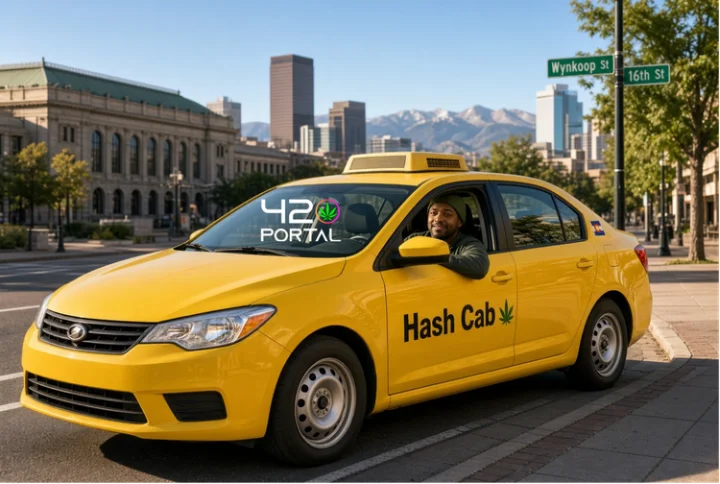
Samuel Teferi spent eight years turning a side gig into Hash Cab, a Denver rideshare built around marijuana consumption. He used to work in cannabis and drive for extra money. After dropping people at events, he watched them duck around the corner to smoke before going inside, or talk about driving high because they had no legal place to consume on the way. That gap is what Hash Cab tries to fill.
Colorado still treats marijuana as legal for adults while treating public use as tightly controlled. You cannot legally smoke in a regular car. Parks, city property, and large stretches of downtown are off limits. Hash Cab operates as a licensed mobile hospitality business, so passengers can bring their own marijuana and use it during the trip. The company does not sell or hand out product.
Safety hardware is central to the pitch. Teferi worked with the Colorado Department of Public Health and Environment on a patent-pending HVAC system that pulls smoke out of the cabin, filters it, and returns clean air. A physical divider keeps secondhand smoke away from the driver. Those features exist because the whole model works only if the vehicle stays a closed, licensed consumption space rather than an ordinary taxi.
The same licenses that make it legal also keep it small. Each additional car would need its own mobile hospitality license, paperwork, and fees. Booking is not on-demand. Riders must reserve on the company website, and Hash Cab must file a ride log with the city at least seven days ahead. Teferi has already turned away people who said they would have used the service several times if they could book like a normal rideshare.
He is now talking with Denver and state officials about loosening the advance-notice rule and the one-license-per-vehicle requirement. Until those change, Hash Cab stays a one-car experiment in a city that legalized marijuana more than a decade ago but still has few lawful places to use it on the move.
Reference
