
Massachusetts Voters Face First-in-Nation Vote to End Legal Recreational Marijuana Sales
09/25/2026
This November, marijuana policy heads to the ballot in two states heading in opposite directions from the last decade of expansion.
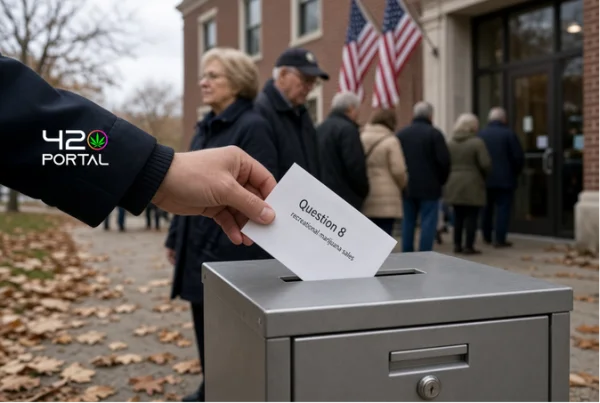
Massachusetts Question 8 would repeal the licensed adult-use sales system voters approved in 2016. Adults could still possess up to one ounce. Possession of more than one ounce but no more than two ounces would draw civil fines rather than criminal charges. The medical program would remain. Passage would make Massachusetts the first state to dismantle a regulated recreational market after it was already operating.
The push is being driven by Smart Approaches to Marijuana and its political arm SAM Action. Kevin Sabet’s organization has spent millions backing the measure and has outspent cannabis industry groups. A UMass/WCVB poll of registered voters found only about a third supporting repeal and a majority opposing it. Industry operators have raised their own funds to defend the existing market, which generates more than a billion dollars a year in sales.
Idaho is taking a different route. HJR 4, referred by the legislature, would amend the state constitution so that only lawmakers could legalize marijuana, narcotics, or other psychoactive substances. Citizens would lose the ability to place those questions on the ballot through the initiative process. The amendment itself would neither legalize nor ban marijuana. A separate citizen effort to put medical marijuana on the ballot this year failed to qualify after officials rejected it for insufficient signatures.
Supporters such as Blaine Conzatti of the Idaho Family Policy Center say the change would stop well-funded out-of-state cannabis companies from using the initiative process to force legalization. Idaho has rejected marijuana measures for years and remains one of the few states without even a medical program.
Twenty-four states plus Washington, D.C., already allow recreational marijuana. Even in legal states, lawmakers have been tightening rules on potency, packaging, labeling, and consumption warnings. At the federal level, the Justice Department and DEA moved certain FDA-approved and state-licensed medical marijuana products from Schedule I to Schedule III in April. The DEA is still considering whether to apply that change more broadly.
Reference
