
Voters Face Distinct Marijuana Choices in Massachusetts, Idaho, and Houston
10/16/2026
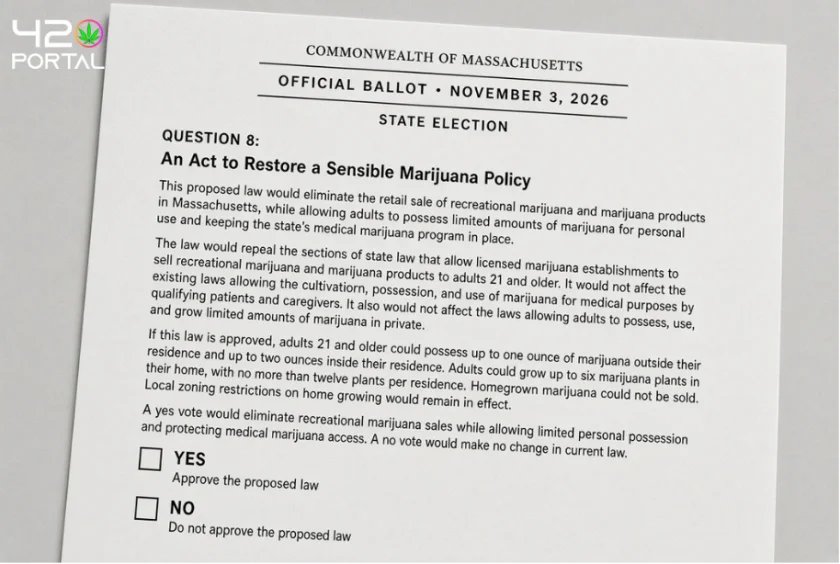
Massachusetts voters will consider Question 8 a decade after approving recreational marijuana. The measure would end licensed adult-use sales, the associated taxes, and home cultivation starting January 1, 2028, while leaving medical marijuana in place and allowing adults 21 and older to possess up to one ounce without penalties.
Supporters organized as the Coalition for a Healthy Massachusetts, chaired by Wendy Wakeman and largely funded by the national group Smart Approaches to Marijuana, cite worries about youth access, impaired driving, mental health effects, and the scale of commercialization. Opponents, including the Massachusetts Cannabis Coalition, warn that closing the regulated market would push consumers toward untested illicit sources, eliminate tax revenue, and disrupt existing businesses and jobs.
Governor Maura Healey has said she hopes voters will reject the question, and Boston Mayor Michelle Wu, along with Senators Elizabeth Warren and Ed Markey, has said they will vote against it. Polling has shown clear majorities opposed to the repeal.
In Idaho, House Joint Resolution 4 would amend the state constitution so that only the legislature holds authority to legalize marijuana, narcotics, or other psychoactive substances. Citizens would lose the ability to place such measures on the ballot. Idaho currently bans both recreational and medical marijuana, and recent citizen efforts to qualify medical initiatives have fallen short.
The resolution passed the legislature in 2025 with near-unanimous Republican support and Democratic opposition. Co-sponsor Senator Scott Grow has argued that the change prevents well-funded special interests from using expensive campaigns to force legalization, while citizens can still engage through the legislative process of hearings and public input. A no vote would leave the current initiative pathway intact. The measure does not alter existing prohibitions or workplace drug-testing rules.
Houston voters will decide Proposition A, also called the Houston Freedom Act. It would amend the city charter to make enforcement of Class A and Class B misdemeanor marijuana possession the Houston Police Department’s lowest priority, require related reporting, and ban no-knock search warrants by city officers. Possession would remain illegal under Texas law, and the state’s limited medical program would be unaffected. Advocates with Ground Game Texas, including Natalie Marquez, collected about 40,000 signatures to place the measure on the ballot, arguing it would free resources for higher-priority public safety needs.
Mayor John Whitmire has said personal-use marijuana is already not a department priority, though data showed a sharp rise in related arrests after he took office. The proposal would not legalize marijuana or erase existing records, but fewer arrests over time could change the criminal history records that appear in employment screening.
Reference
